The Best Speaker Amazon Has Ever Made — With One Big Asterisk
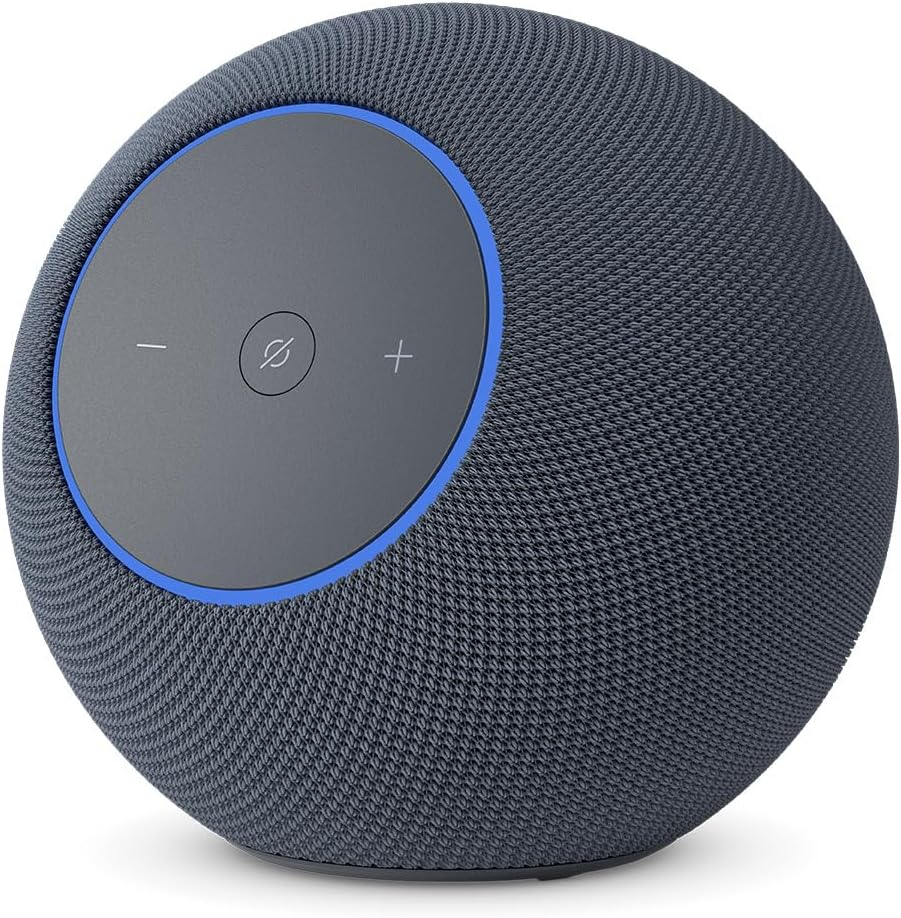
Amazon completely redesigned the Echo Studio for 2025. The old cylindrical tower is gone, replaced by a compact sphere wrapped in acoustic fabric that looks like it actually belongs on a bookshelf. It's 40% smaller. It sounds different. And with the AZ3 Pro chip powering Alexa+, it's the smartest speaker Amazon has ever shipped.
But here's the asterisk: the original Echo Studio from 2019 had a 5.25-inch woofer that could shake a room. The new one has a 3.75-inch woofer. The bass is good — but it's not the same. Amazon traded raw low-end power for a more balanced, room-filling sound profile. Whether that's an upgrade or a downgrade depends entirely on what you want from a speaker.
After living with the Echo Studio 2nd Gen as my primary living room speaker, here's the honest breakdown.
The Specs
| Spec | Detail |
|---|---|
| Drivers | 1x 3.75-inch woofer, 3x 2.25-inch full-range drivers |
| Audio Format | Dolby Atmos, Sony 360 Reality Audio, spatial audio |
| Processor | AZ3 Pro chip |
| Connectivity | Wi-Fi 6E, Bluetooth 5.3 (SBC only) |
| Smart Home | Zigbee, Matter, Thread Border Router, eero satellite |
| Sensors | Temperature, ambient light, ultrasonic presence |
| Size | 6.1 x 5.6 x 5.8 inches, 3.6 lbs |
| Colors | Graphite, Glacier White |
| Power | AC-powered (no battery) |
| Price | $219.99 MSRP, frequently $155-189.99 on sale |
What Makes the Echo Studio Worth It
The spatial audio is genuinely immersive. The Echo Studio's three full-range drivers fire left, right, and upward, creating a soundstage that fills the room rather than projecting from a single point. With Dolby Atmos tracks on Amazon Music, the effect is striking — instruments and vocals feel placed around you rather than coming at you. It's not a sound bar surround system, but for a single speaker sitting on a shelf, the spatial separation is impressive. Tom's Guide gave it an Editor's Choice award, and the spatial audio was a key reason.
The sound is clear, detailed, and room-filling. Vocals come through with crystal clarity. Acoustic guitar strings have texture. Hi-hats stay crisp without harshness. The three full-range drivers handle the midrange and treble beautifully, and the overall sound has a layered quality that cheaper Echo speakers simply can't match. At moderate volumes (up to about 70%), the audio stays clean and controlled with no distortion. For background music during dinner, focused listening at your desk, or filling a living room with sound, the Echo Studio delivers.
It's a complete smart home hub. This is where the Echo Studio separates itself from every Sonos and HomePod on the market. Built-in Zigbee, Matter, and Thread radios mean it connects directly to smart lights, locks, sensors, and plugs without needing a separate hub. It also works as an eero mesh satellite — so it extends your Wi-Fi coverage while playing music. The temperature, light, and presence sensors enable smart routines you can't do with a dumb speaker: lights that turn on when you walk in, heating that adjusts based on room temperature, all triggered automatically.
Alexa+ is a real upgrade over old Alexa. The AZ3 Pro chip powers Amazon's next-generation AI assistant. Conversations feel natural — you can ask follow-up questions without saying the wake word again. Smart home commands are faster and more context-aware ("turn off the lights" knows which room you're in). It's not perfect, and it requires a Prime membership to unlock the full Alexa+ experience, but it's a noticeable step up from the Alexa that's been frustrating people for years.
The redesign is a genuine improvement. The original Echo Studio looked like a trash can. The new spherical design with acoustic fabric is compact, clean, and doesn't demand attention. It's 40% smaller than the original, which means it actually fits on a normal bookshelf or nightstand. The front-facing light ring and controls are more accessible than the original's top-mounted buttons. It looks like a premium speaker, not a science experiment.
Fire TV integration creates a real home theater. Link the Echo Studio to a Fire TV device and you get wireless surround sound. You can pair two Echo Studios for stereo, or add up to five for a full surround setup. For Amazon households already running Fire TV, this turns your living room into a legitimate home theater without running speaker wire.
Wi-Fi 6E and Bluetooth 5.3 are future-proof. Wi-Fi 6E provides faster, more reliable streaming with less congestion — important when you're streaming high-resolution Dolby Atmos audio. Bluetooth 5.3 improves range and connection stability for phone-to-speaker streaming.
The Honest Problems
The bass is weaker than the original. This is the #1 complaint across professional reviews and owner feedback. The original Echo Studio's 5.25-inch down-firing woofer could physically pressurize a room. The new 3.75-inch woofer simply cannot match that. The bass is present and controlled — it's not thin — but if you're coming from the original Echo Studio or any dedicated subwoofer setup, you'll notice the missing low-end punch immediately. TechRadar's reviewer said the new hardware "doesn't quite live up to its predecessor," and Engadget described the bass as having a "muted, almost muffled quality." Amazon traded bass impact for a more balanced sound, and not everyone considers that a trade-up.
There are zero wired audio inputs. No optical port. No 3.5mm aux jack. No USB audio. Nothing. The original Echo Studio had an optical input and a 3.5mm jack. Amazon removed both. If you want to connect a turntable, a TV's audio output, or any wired source, you cannot. This is a wireless-only speaker. For a $220 device marketed as Amazon's premium audio product, the complete absence of wired inputs is a significant regression.
Bluetooth is limited to SBC codec. Despite having Bluetooth 5.3, the Echo Studio only supports the basic SBC audio codec — not aptX, not LDAC, not AAC. SBC is the lowest-quality Bluetooth audio codec still in common use. If you're streaming from your phone via Bluetooth (rather than through the Alexa app or Amazon Music), the audio quality takes a noticeable hit compared to what the speaker is capable of.
Alexa+ requires Prime. The enhanced Alexa+ experience — the natural conversations, the improved smart home control, the AI-powered features — requires an Amazon Prime membership ($14.99/month or $139/year). Without Prime, you get standard Alexa, which is functional but not the leap forward Amazon is marketing. The speaker itself works fine without Prime, but you're not getting the headline feature.
Audio quality is inconsistent across genres. Several reviewers noted that the Echo Studio sounds excellent on some tracks and mediocre on others. Bass-heavy electronic music and hip-hop lose impact at lower volumes. Complex orchestral pieces can sound congested. The speaker excels at pop, rock, acoustic, and vocal-forward music but doesn't handle every genre equally well. This inconsistency is more noticeable than on competing speakers from Sonos.
It downmixes stereo to mono. A single Echo Studio plays in mono, not stereo. The spatial audio creates an impressive sense of space, but true left-right stereo separation requires buying a second Echo Studio ($440 total) and pairing them. For $220, this is worth knowing — your vinyl rips and carefully mixed albums won't have stereo imaging from a single unit.
The Home Theater feature isn't fully available yet. Amazon has promised Fire TV surround sound with the new Echo Studio, but at the time of writing, the feature is still rolling out. If home theater integration is a key reason you're buying, confirm it's live for your Fire TV model before purchasing.
Echo Studio vs. the Competition
vs. Sonos Era 100 (~$219): The Sonos delivers better vocal clarity, more consistent audio quality across genres, and true stereo from a single unit (with two tweeters). But it has no smart home hub, no Alexa+ (it supports Alexa voice control but not the full smart home hub functionality), and no spatial audio like the Echo Studio's upward-firing driver. If audio quality is your top priority, the Sonos wins. If smart home integration matters, the Echo Studio wins.
vs. Apple HomePod (2nd Gen) (~$289): The HomePod has deeper bass, better build quality, and seamless Apple ecosystem integration. It also supports spatial audio with Dolby Atmos. But it costs $70 more, only works well with Apple devices, and its smart home capabilities are limited to HomeKit. For non-Apple households, the Echo Studio is the clear choice.
vs. Sonos Era 300 (~$449): The Era 300 is a significantly better speaker — period. Spatial audio, superior driver array, wider soundstage, better bass. But it costs twice as much and lacks any smart home hub functionality. If you want the best-sounding smart speaker under $250, the Echo Studio is it. If you want the best-sounding speaker regardless of price, save up for the Era 300.
vs. Echo Pop / Echo Dot (~$25-50): The sound quality gap between the Echo Studio and the smaller Echo speakers is massive. If you've only heard Alexa through an Echo Dot, the Studio will sound like a completely different product. The smart home hub capabilities are also exclusive to the Studio. If you're serious about audio and smart home, the Studio is worth the upgrade.
Who Should Buy This
Amazon/Alexa households. If you already have Ring cameras, Fire TV, Echo devices, and Alexa routines running your home, the Echo Studio is the natural premium upgrade. It's the best speaker in the Echo lineup, the best smart home hub Amazon makes, and the best Alexa experience available.
Anyone who wants a smart home hub AND a good speaker in one device. The Echo Studio replaces a standalone Zigbee/Matter hub, an eero satellite, and a bookshelf speaker. That consolidation is genuinely valuable — fewer devices, fewer plugs, less clutter.
People upgrading from Echo Dot or basic Echo speakers. The jump in audio quality from a $50 Echo to the Echo Studio is dramatic. If you've been listening to music on an Echo Dot and thinking "Alexa sounds okay," prepare to be surprised.
Who Should Look Elsewhere
Audiophiles and music-first buyers. If audio quality is your primary criterion and smart features are secondary, the Sonos Era 100 or Era 300 will make you happier. The Echo Studio is a great smart speaker that sounds good. The Sonos products are great speakers that happen to have some smart features.
Original Echo Studio owners who loved the bass. If you bought the first Echo Studio specifically for that room-shaking low end, the 2nd gen is a step backward in that department. Keep your original or look at adding a separate subwoofer.
Anyone who needs wired audio inputs. No optical, no aux, no USB. If you need to plug anything into your speaker, the Echo Studio literally cannot do it.
The Verdict
The Amazon Echo Studio 2nd Gen is the best all-around smart speaker you can buy for under $250. The spatial audio is immersive, the sound quality is genuinely good (if not class-leading), and the smart home hub functionality is unmatched by any competing speaker. The redesign looks great and the 40% size reduction makes it practical for real rooms.
But the bass regression from the original, the complete removal of wired inputs, and the SBC-only Bluetooth are real downsides that keep this from being a perfect recommendation. And the best Alexa+ features require a Prime membership, which is an ongoing cost on top of the speaker price.
At $219.99, it's a fair price for what you get. At $155-189.99 on sale, it's a strong value — especially if you're already invested in the Amazon ecosystem.
Deal tip: The Echo Studio regularly drops to $155-179.99 during Prime Day (July), Prime Big Deal Days (October), and Black Friday. Amazon devices see some of the deepest discounts in consumer electronics during these events. The Graphite color is more commonly available; the Glacier White tends to sell out faster during sales. Set a price alert — this speaker at $155 is a no-brainer for any Alexa household.
The Verdict
Amazon's best-sounding Alexa speaker — now 40% smaller with Dolby Atmos, spatial audio, and a built-in smart home hub. Worth buying if it fits how you'll actually use it.
This post contains affiliate links. If you buy through one, I may earn a commission at no extra cost to you.